I have spent years working with cannabis concentrates, and I can tell you that the market has changed dramatically. A decade ago, the main choices were hash and maybe some basic solvent-based oils. Today, we have a whole spectrum of products, from live resin to budder, and one of the most talked-about categories is cannabis diamond extracts. The name alone conjures images of gemstones, and that is not far from the truth. These extracts are prized for their clarity, potency, and purity, much like a mined diamond is valued for its cut and clarity.
When I first heard the term "diamond mining" applied to cannabis, I was skeptical. It sounded like marketing hype. But after running my own extraction processes and talking to chemists and producers, I realized the comparison holds up. Just as diamond mining involves sifting through tons of material to find a few precious stones, producing high-end concentrates requires carefully separating the most valuable compounds from the plant matter. The result is a product that can reach THC levels above 80 or even 90 percent, with a texture and consistency that resembles crystalline sugar or small gemstones. That is the essence of cannabis diamond extracts.
What Makes a Concentrate a Diamond
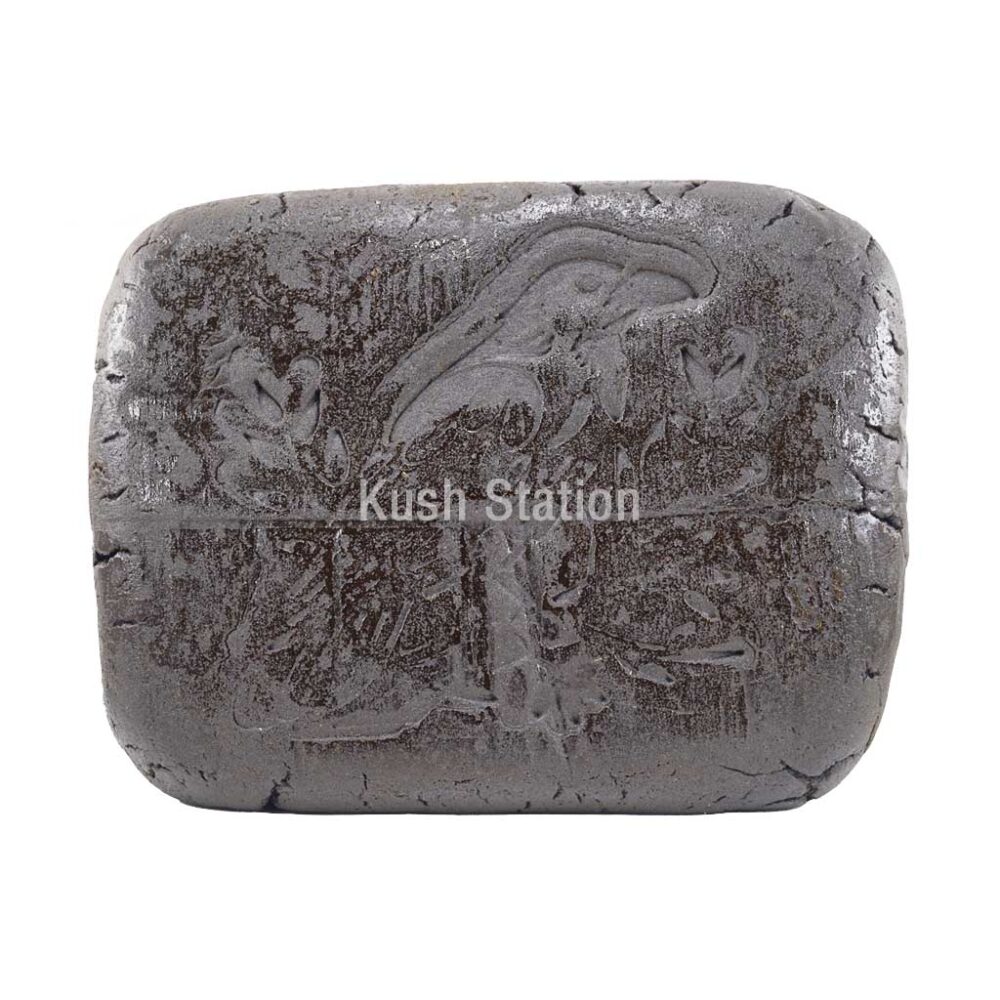
Not every concentrate qualifies as a diamond extract. The term generally refers to products that have been refined to a high degree of purity, often through mechanical sieving or advanced washing techniques. In my experience, the best examples come from ice water extraction, a solventless method that uses cold water and agitation to separate trichomes from the plant. The trichome heads, which contain most of the cannabinoids and terpenes, are then dried and pressed into a powdery or crystalline form. This is the same basic process used to make traditional hash, but with extra steps to isolate the finest particles.
I have watched producers run the same batch through multiple cycles of ice water extraction, each time filtering through finer mesh screens. The first few passes yield a darker, more plant-heavy product, while the later passes produce a pale, almost white powder. That powder, when pressed and cured, forms the basis for many cannabis diamond extracts. The purity is remarkable. You can see individual trichome heads glistening under a light, and the flavor profile is incredibly clean, with the terpenes preserved in a way that solvent-based methods often lose.
The Role of Solventless and Hydrocarbon Methods
While ice water extraction is the classic solventless approach, there are other ways to produce these concentrates. Solventless extraction covers any method that does not use chemical solvents like butane or ethanol. Besides ice water, this includes rosin pressing, where heat and pressure squeeze the oils out of the plant. Rosin can be very clean, but it often produces a thicker, more buttery consistency. That is where the line between budder and diamond extracts gets blurry. Budder is typically whipped to incorporate air, giving it a soft, spreadable texture, while diamond extracts tend to be more solid and crystalline.
Hydrocarbon extraction, on the other hand, uses solvents like propane or butane to dissolve the cannabinoids and terpenes. This method can yield very high potency, but it requires careful purging to remove any solvent residue. I have tried hydrocarbon extracts that were incredibly potent, but the flavor sometimes suffered from a subtle chemical note. For many connoisseurs, the solventless route is preferred because it preserves the full spectrum of terpenes and cannabinoids. That is why cannabis diamond extracts produced through ice water or mechanical sieving often command a premium price.
Why Potency and Purity Matter
Potency is a major selling point for these products, but it is not the only factor. A concentrate that tests at 90 percent THC can be overwhelming if the terpene profile is flat. The best cannabis diamond extracts balance high cannabinoid content with a rich, nuanced flavor. I have sampled products from Kush Station that manage this balance well. Their live resin, for instance, is flash-frozen shortly after harvest, which locks in volatile terpenes that would otherwise degrade. That same attention to detail shows up in their diamond-style extracts.
One practical consideration is how you consume these products. Because they are so potent, a small amount goes a long way. Most people use a dab rig or a concentrate vaporizer. I prefer an e-nail setup because it maintains a consistent temperature, which is crucial for getting the full flavor without burning off the terpenes. A regular vaporizer might not get hot enough, and a torch-heated nail can be inconsistent. If you are new to dabbing, start with a tiny amount, about the size of a grain of rice, and work your way up.
Comparing Different Types of Concentrates
To understand where cannabis diamond extracts fit, it helps to compare them to other common concentrates:
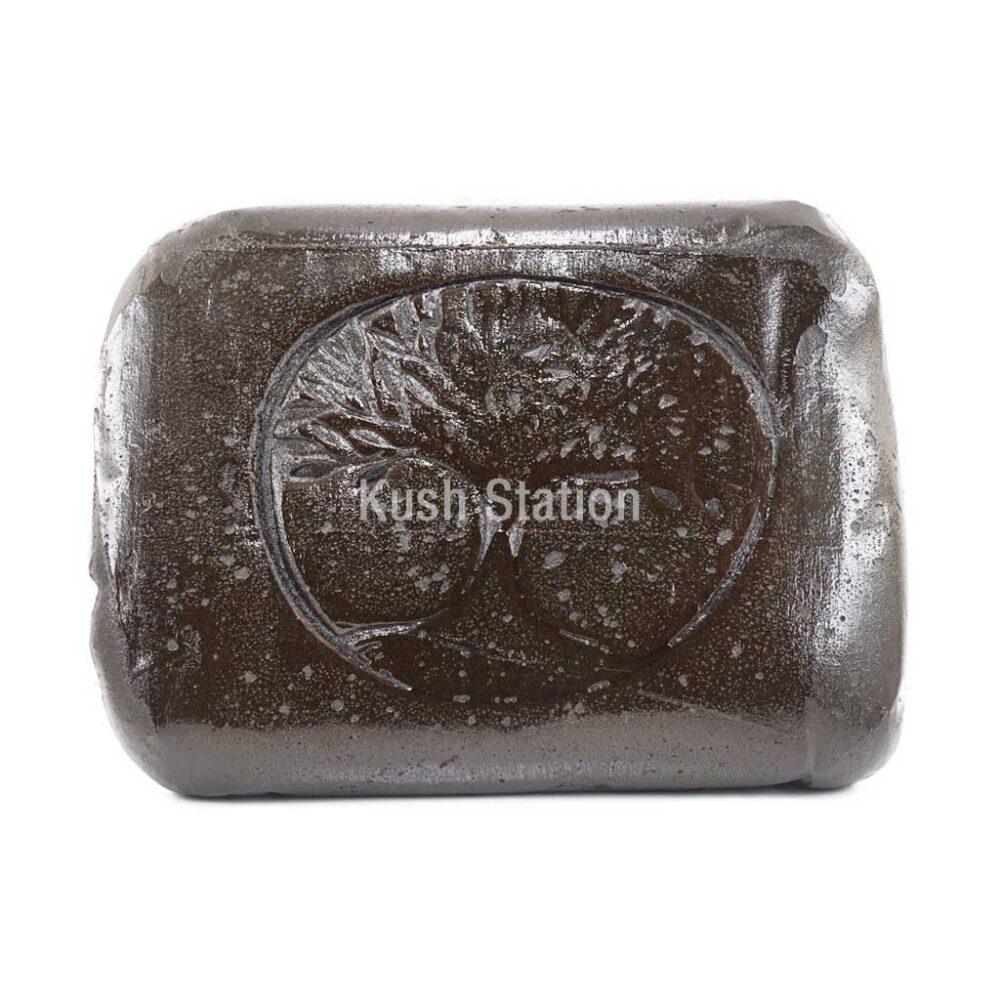
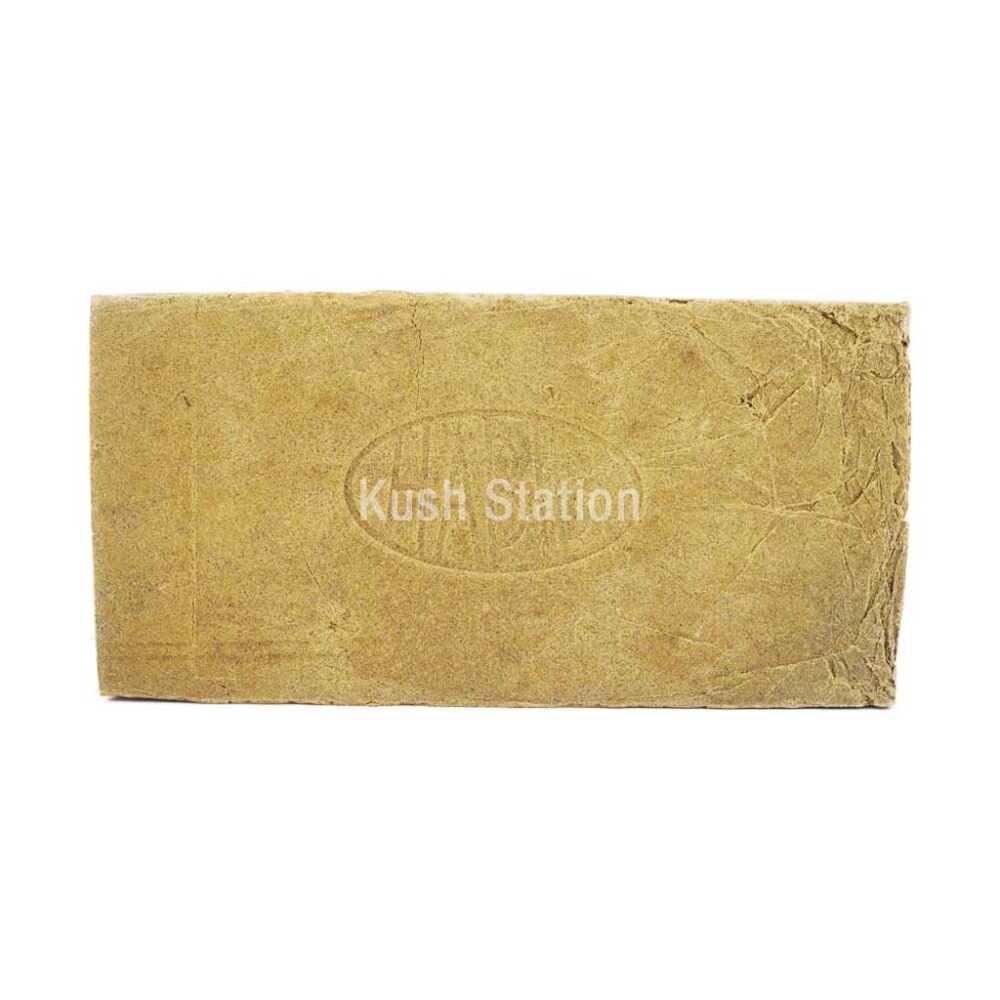
- Hash: The oldest form of concentrate, made by compressing trichomes. It can range from dark and crumbly to light and powdery. Diamond extracts are essentially a highly refined version of hash.
- Live resin: Made from fresh-frozen plants, preserving more terpenes. It tends to be sticky and sappy rather than crystalline. The flavor is often brighter than that of diamond extracts.
- Shatter: A translucent, glass-like concentrate produced through solvent extraction. It can be very potent but sometimes lacks the full terpene profile of solventless methods.
- Budder: A whipped concentrate with a soft, creamy consistency. It is easier to handle than shatter but may not have the same crystalline purity.
Each type has its own strengths, but cannabis diamond extracts stand out for their clarity and consistency. They are the closest thing to a pure cannabinoid isolate that most consumers will encounter. I have seen lab reports for diamond extracts showing total cannabinoid content above 95 percent, with less than one percent plant material. That level of purity is hard to achieve with any other method.
Practical Tips for Buying and Storing
When you shop for these products, look for a few key signs. The color should be light, ranging from pale yellow to almost white. Darker colors often indicate more plant matter or oxidation. The texture should be crumbly or powdery, not sticky or greasy. A good diamond extract will break apart easily under a dab tool. If it smears like butter, it is probably budder or a hybrid.
Storage is also important. Heat and light degrade cannabinoids and terpenes quickly. Keep your extracts in an airtight container in a cool, dark place. I use a small glass jar with a silicone seal, stored in a drawer away from direct sunlight. Some people use a refrigerator, but be careful about condensation when you open the jar. A consistent temperature around 60 to 70 degrees Fahrenheit works well.
One mistake I see often is buying too much at once. Because these products are so potent, a gram can last weeks or even months. If you buy a large quantity, it may lose its freshness before you finish it. Start with a small amount, find a strain and producer you trust, then buy in bulk only if you have a way to store it properly.
The Future of Concentrates
The technology for making cannabis concentrates continues to improve. I have seen producers experiment with new sieving machines that can separate trichomes by size with micron precision. Some are even using cryogenic freezing to make the trichomes more brittle, which reduces contamination. As these techniques become more widespread, the quality of cannabis diamond extracts will likely increase while prices come down.
For now, these extracts represent the pinnacle of what is possible with solventless extraction. They offer a clean, potent, and flavorful experience that is hard to match. Whether you are a seasoned dabber or just curious about concentrates, trying a well-made diamond extract is worth the investment. Just remember to respect the potency, use the right equipment, and store it properly. That way, you get the most out of every grain.